How Stair Tread Anti-Slip Plates Can Prevent Slips and Falls
2026-06-24
How Stair Tread Anti-Slip Plates Can Prevent Slips and Falls
Introduction to Stair Tread Safety
In a world where safety is paramount, slips and falls remain a significant concern in both residential and commercial spaces. Staircases, often a focal point of movement, can become hazardous without proper precautions. This is where **stair tread anti-slip plates** come into play. Designed to enhan
How Stair Tread Anti-Slip Plates Can Prevent Slips and Falls
Introduction to Stair Tread Safety
In a world where safety is paramount, slips and falls remain a significant concern in both residential and commercial spaces. Staircases, often a focal point of movement, can become hazardous without proper precautions. This is where **stair tread anti-slip plates** come into play. Designed to enhance grip and provide a secure footing, these plates are essential for preventing accidents. In this article, we will explore how these anti-slip solutions work, their benefits, installation techniques, maintenance tips, and much more.
The Importance of Stair Tread Anti-Slip Plates
Stair treads are the surfaces of steps that we walk on, and they can become dangerously slippery due to various factors such as moisture, debris, or wear and tear. Anti-slip plates are specially designed to combat this issue, offering a textured surface that significantly enhances traction. By understanding the importance of these plates, we can better appreciate their role in accident prevention.
Understanding Slips and Falls
Before diving deeper into the benefits of anti-slip plates, it's essential to grasp the implications of slips and falls. According to the National Safety Council, falls are the leading cause of non-fatal injuries in the United States, with staircases being a frequent site of such accidents. Slips can occur due to:
- Wet or icy surfaces
- Worn-out stairs lacking traction
- Poor visibility in low-light conditions
The Role of Anti-Slip Plates
Anti-slip plates are designed to provide a **high-friction surface** that mitigates the risks associated with slips and falls. They are typically made from durable materials that can withstand heavy foot traffic while maintaining their grip. Let's take a closer look at how these plates function to enhance safety.
Benefits of Using Stair Tread Anti-Slip Plates
The advantages of implementing stair tread anti-slip plates are manifold, affecting both safety and overall aesthetic appeal. Here are the key benefits:
1. Enhanced Traction and Safety
The primary function of anti-slip plates is to improve traction. The textured surface reduces the likelihood of slipping, especially in conditions where moisture or debris may be present. This is crucial for ensuring safe navigation on stairs.
2. Durability and Longevity
High-quality anti-slip plates are built to last. They can withstand the wear and tear of daily use, maintaining their effectiveness over time. Materials like aluminum and polymer composites are resistant to rust, corrosion, and UV damage, ensuring a long life span.
3. Versatility in Application
Anti-slip plates are suitable for various settings, including residential homes, commercial buildings, industrial facilities, and outdoor environments. Their versatility makes them an ideal solution for any stairway that requires enhanced safety features.
4. Aesthetic Appeal
Available in various designs and finishes, anti-slip plates can enhance the visual appeal of staircases. Whether you prefer a sleek, modern look or something more traditional, there are options to suit any decor.
5. Cost-Effective Safety Measure
Investing in stair tread anti-slip plates can be a cost-effective way to prevent accidents. The financial burden of medical care due to slips and falls can be significant, making the upfront investment in safety materials a wise decision.
How to Choose the Right Anti-Slip Plates
Selecting the appropriate anti-slip plates for your stairs involves considering several factors such as material, size, and design.
Material Considerations
The material of the anti-slip plates affects their durability, grip, and maintenance. Common materials include:
- **Aluminum**: Lightweight, durable, and resistant to rust.
- **Rubber**: Offers excellent grip and is suitable for both indoor and outdoor use.
- **Vinyl**: Provides a soft, cushioned surface that is slip-resistant.
Size and Fit
Ensure the plates fit the dimensions of your stairs precisely. Plates that are too small may not cover the entire surface, while those that are too large can become tripping hazards.
Design and Aesthetics
Choose a design that complements your existing decor. Anti-slip plates are available in various colors and textures, allowing you to maintain a cohesive look in your space.
Installation of Stair Tread Anti-Slip Plates
Installing anti-slip plates is a straightforward process but requires attention to detail to ensure effectiveness.
Tools and Materials Needed
To successfully install stair tread anti-slip plates, you will need the following tools and materials:
- Anti-slip plates
- Measuring tape
- Utility knife or saw (for cutting plates to size)
- Adhesive or screws (depending on the type of plates)
- Clean cloth
Step-by-Step Installation Process
1. **Measure the Stairs**: Use a measuring tape to determine the width and length of each stair tread.
2. **Cut the Plates**: If necessary, cut the anti-slip plates to fit the dimensions of your stairs using a utility knife or saw.
3. **Prepare the Surface**: Ensure that the stair treads are clean and free from debris. A clean surface helps the adhesive stick better.
4. **Apply Adhesive or Screw the Plates**: Depending on the type of anti-slip plates, either apply adhesive to the back and press it down firmly or use screws to secure them in place.
5. **Allow to Set**: If you used adhesive, allow it to cure according to the manufacturer's instructions before using the stairs.
Maintenance Tips for Anti-Slip Plates
To ensure the longevity and effectiveness of your stair tread anti-slip plates, regular maintenance is key.
1. Regular Cleaning
Keep the plates clean by regularly sweeping and mopping the stairs. This helps remove dirt and grime that can accumulate and reduce traction.
2. Inspect for Damage
Periodically check for any signs of wear or damage. If plates become loose or show signs of deterioration, replace them immediately to maintain safety.
3. Reapply Adhesive When Necessary
If you notice that the plates are beginning to loosen, consider reapplying adhesive to ensure they remain securely in place.
Conclusion: Prioritizing Safety with Anti-Slip Solutions
In conclusion, stair tread anti-slip plates are a vital investment for anyone looking to enhance safety in their environment. By providing improved traction, durability, and aesthetic appeal, these plates play an essential role in preventing slips and falls. Whether for residential or commercial use, taking the time to choose, install, and maintain anti-slip plates can significantly reduce the risk of accidents on staircases. Prioritizing safety not only protects individuals but also fosters a culture of care and responsibility in any space.
FAQs about Stair Tread Anti-Slip Plates
1. What are stair tread anti-slip plates made of?
Stair tread anti-slip plates can be made from a variety of materials, including aluminum, rubber, and vinyl, each offering different benefits in terms of traction and durability.
2. How do I know if my stairs need anti-slip plates?
If your stairs are prone to being wet, are frequently used, or show signs of wear, it is advisable to install anti-slip plates to enhance safety.
3. Can anti-slip plates be used outdoors?
Yes, many anti-slip plates are designed specifically for outdoor use and are resistant to weather elements, making them a practical choice for external staircases.
4. How often should I maintain my anti-slip plates?
Regular cleaning is recommended, along with periodic inspections for wear and tear. This ensures that the plates remain effective over time.
5. Are anti-slip plates easy to install?
Yes, anti-slip plates can be installed with basic tools and materials, making them a manageable project for most DIY enthusiasts.
By following this comprehensive guide on stair tread anti-slip plates, you are well-equipped to improve safety and prevent accidents in your spaces.
Key words:
RELATED INFORMATION
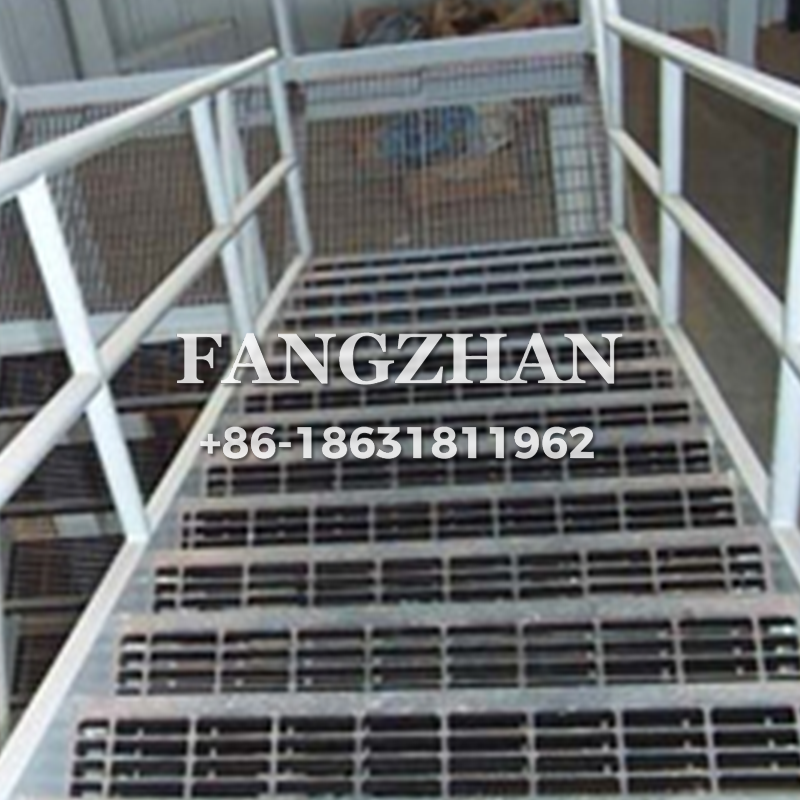
How Stair Tread Anti-Slip Plates Can Prevent Slips and Falls
How Stair Tread Anti-Slip Plates Can Prevent Slips and Falls
Introduction to Stair Tread Safety
In a world where safety is paramount, slips and falls remain a significant concern in both residential and commercial spaces. Staircases, often a focal point of movement, can become hazardous without proper precautions. This is where **stair tread anti-slip plates** come into play. Designed to enhan
2026-06-24
Understanding Ladder Perforated Stair Treads: Enhancing Safety and Functionality
Ladder perforated stair treads are an essential component in the construction and renovation of stair systems, contributing to both safety and functionality. These treads are designed with perforations that allow for better drainage, increased traction, and reduced slip hazards. In environments where water, oil, or other substances can cause slippery conditions, ladder perforated stair treads prov
2026-06-19

PRODUCT SEARCH
Quickly find the products you need
Surpass Oneself, Pursue Advanced
PRODUCT SOLUTION
To provide you with industry solutions
Please leave the information you want to consult


Service E-mail
Service TEL
Address
Hengshui HeBei China
Our Main Products
Powerby:300.cn | Label | Privacy Policy