Understanding Ladder Perforated Stair Treads: Enhancing Safety and Functionality
2026-06-19
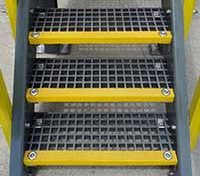
Ladder perforated stair treads are an essential component in the construction and renovation of stair systems, contributing to both safety and functionality. These treads are designed with perforations that allow for better drainage, increased traction, and reduced slip hazards. In environments where water, oil, or other substances can cause slippery conditions, ladder perforated stair treads prov
Ladder perforated stair treads are an essential component in the construction and renovation of stair systems, contributing to both safety and functionality. These treads are designed with perforations that allow for better drainage, increased traction, and reduced slip hazards. In environments where water, oil, or other substances can cause slippery conditions, ladder perforated stair treads provide a practical solution that enhances safety for users.
One of the primary advantages of ladder perforated stair treads is their ability to improve grip. The perforated surface offers increased friction, which is crucial in areas that experience frequent foot traffic or potentially hazardous conditions. This added traction can minimize the risk of slips and falls, making these treads an excellent choice for both commercial and residential applications.
In addition to safety, ladder perforated stair treads also facilitate drainage. The holes in the treads allow water and debris to pass through, preventing the accumulation of liquids that can lead to hazardous conditions. This feature is particularly beneficial in outdoor staircases or industrial settings where spills are common. With effective drainage, maintenance becomes easier, as the surface is less prone to mold and corrosion.
When selecting ladder perforated stair treads, it's essential to consider the material used in their construction. Common materials include steel, aluminum, and fiberglass, each offering unique benefits. Steel treads are known for their strength and durability, making them ideal for high-traffic areas. Aluminum is lightweight and resistant to corrosion, suitable for outdoor applications. Fiberglass treads provide excellent slip resistance and are often used in environments where chemical exposure is a concern.
Moreover, the design of ladder perforated stair treads can vary significantly. Factors such as the size of the perforations, the tread's thickness, and the overall dimensions must align with the specific needs of the building or structure. It's crucial to assess the intended use and environmental conditions to select the most appropriate design.
Another important consideration in the installation of ladder perforated stair treads is compliance with local building codes and regulations. Ensuring that the chosen treads meet safety standards is vital in maintaining the integrity of the stair system and protecting users.
In summary, ladder perforated stair treads are indispensable in creating safe and functional stair systems. Their design promotes safety through improved traction and effective drainage, while the choice of materials and construction methods allows for versatile applications. By understanding the benefits and considerations associated with ladder perforated stair treads, architects, builders, and homeowners can make informed decisions that enhance the overall safety and usability of their stair systems.
One of the primary advantages of ladder perforated stair treads is their ability to improve grip. The perforated surface offers increased friction, which is crucial in areas that experience frequent foot traffic or potentially hazardous conditions. This added traction can minimize the risk of slips and falls, making these treads an excellent choice for both commercial and residential applications.
In addition to safety, ladder perforated stair treads also facilitate drainage. The holes in the treads allow water and debris to pass through, preventing the accumulation of liquids that can lead to hazardous conditions. This feature is particularly beneficial in outdoor staircases or industrial settings where spills are common. With effective drainage, maintenance becomes easier, as the surface is less prone to mold and corrosion.
When selecting ladder perforated stair treads, it's essential to consider the material used in their construction. Common materials include steel, aluminum, and fiberglass, each offering unique benefits. Steel treads are known for their strength and durability, making them ideal for high-traffic areas. Aluminum is lightweight and resistant to corrosion, suitable for outdoor applications. Fiberglass treads provide excellent slip resistance and are often used in environments where chemical exposure is a concern.
Moreover, the design of ladder perforated stair treads can vary significantly. Factors such as the size of the perforations, the tread's thickness, and the overall dimensions must align with the specific needs of the building or structure. It's crucial to assess the intended use and environmental conditions to select the most appropriate design.
Another important consideration in the installation of ladder perforated stair treads is compliance with local building codes and regulations. Ensuring that the chosen treads meet safety standards is vital in maintaining the integrity of the stair system and protecting users.
In summary, ladder perforated stair treads are indispensable in creating safe and functional stair systems. Their design promotes safety through improved traction and effective drainage, while the choice of materials and construction methods allows for versatile applications. By understanding the benefits and considerations associated with ladder perforated stair treads, architects, builders, and homeowners can make informed decisions that enhance the overall safety and usability of their stair systems.
Key words:
RELATED INFORMATION
Understanding Ladder Perforated Stair Treads: Enhancing Safety and Functionality
Ladder perforated stair treads are an essential component in the construction and renovation of stair systems, contributing to both safety and functionality. These treads are designed with perforations that allow for better drainage, increased traction, and reduced slip hazards. In environments where water, oil, or other substances can cause slippery conditions, ladder perforated stair treads prov
2026-06-19


PRODUCT SEARCH
Quickly find the products you need
Surpass Oneself, Pursue Advanced
PRODUCT SOLUTION
To provide you with industry solutions
Please leave the information you want to consult


Service E-mail
Service TEL
Address
Hengshui HeBei China
Our Main Products
Powerby:300.cn | Label | Privacy Policy