The Role of Perforated Safety Panels in Enhancing Structural Integrity
2026-05-15
The Role of Perforated Safety Panels in Enhancing Structural Integrity
Table of Contents
1. Introduction to Perforated Safety Panels
2. Understanding Structural Integrity
3. The Design and Engineering of Perforated Safety Panels
3.1 Materials Used in Fabrication
3.2 Manufacturing Processes
4. Applications of Perforated Safety Panels
4.1 Use in Building Facades
4.2 Implementation
The Role of Perforated Safety Panels in Enhancing Structural Integrity
Table of Contents
1. Introduction to Perforated Safety Panels
2. Understanding Structural Integrity
3. The Design and Engineering of Perforated Safety Panels
3.1 Materials Used in Fabrication
3.2 Manufacturing Processes
4. Applications of Perforated Safety Panels
4.1 Use in Building Facades
4.2 Implementation in Industrial Settings
5. Benefits of Perforated Safety Panels in Construction
5.1 Enhancing Safety Measures
5.2 Optimizing Structural Performance
6. Innovations in Perforated Safety Panel Technology
7. Conclusion
8. Frequently Asked Questions (FAQs)
1. Introduction to Perforated Safety Panels
Perforated safety panels serve as a vital component in modern infrastructure, providing not only aesthetic appeal but also significant functional benefits. These panels are designed with a series of holes or perforations, which can vary in shape and size, tailored to meet specific architectural requirements. Their unique structure allows for a blend of visibility and protection, making them an ideal choice in various construction applications.
2. Understanding Structural Integrity
Structural integrity refers to the ability of a structure to withstand its intended load without experiencing failure due to deformation, fracture, or collapse. It is crucial for ensuring safety in buildings and other infrastructure. Factors influencing structural integrity include material properties, design, and environmental conditions. Incorporating perforated safety panels can enhance this integrity by providing additional support and reducing stress on structural elements.
3. The Design and Engineering of Perforated Safety Panels
The effectiveness of perforated safety panels is heavily influenced by their design and engineering. These panels must be crafted to withstand various stresses while maintaining their functional advantages.
3.1 Materials Used in Fabrication
Common materials used for perforated safety panels include steel, aluminum, and various composites. Steel panels are particularly favored for their strength and durability, making them suitable for heavy-duty applications. Aluminum, being lightweight and resistant to corrosion, is often chosen for aesthetic applications where weight is a concern.
3.2 Manufacturing Processes
Manufacturing perforated safety panels involves precise techniques that ensure consistent quality and performance. Processes such as laser cutting, punching, and CNC machining are commonly employed to create the desired patterns and shapes in the material. The choice of manufacturing process can significantly affect the panel's structural properties and overall aesthetic.
4. Applications of Perforated Safety Panels
Perforated safety panels are versatile and can be utilized in various settings across the construction industry.
4.1 Use in Building Facades
In architectural design, perforated panels are increasingly used in building facades to provide shade and reduce heat gain, contributing to energy efficiency. They can also enhance the visual appeal of structures, allowing architects to create unique designs that stand out.
4.2 Implementation in Industrial Settings
In industrial environments, perforated safety panels are utilized for safety barriers and protective screens. They allow light and ventilation while offering protection from hazardous materials or machinery, effectively balancing safety and operational efficiency.
5. Benefits of Perforated Safety Panels in Construction
Incorporating perforated safety panels into construction projects offers numerous advantages.
5.1 Enhancing Safety Measures
Safety is paramount in any construction project. Perforated safety panels contribute to improved safety by acting as barriers that prevent accidents while facilitating visibility. They are particularly useful in areas where clear sightlines are necessary, such as in factories or warehouses.
5.2 Optimizing Structural Performance
These panels can significantly optimize structural performance. The perforations allow for the dissipation of wind loads, reducing stress on structural components. This capability is particularly beneficial in high-wind areas or locations prone to extreme weather conditions.
6. Innovations in Perforated Safety Panel Technology
The field of perforated safety panels is constantly evolving, with innovations enhancing their functionality and aesthetic appeal. Recent advancements include the use of smart materials that can change properties in response to environmental conditions, further improving their performance.
Additionally, sustainable manufacturing practices are on the rise, with many manufacturers focusing on eco-friendly materials and production methods. This not only benefits the environment but also appeals to consumers increasingly concerned with sustainability.
7. Conclusion
Perforated safety panels play a crucial role in enhancing structural integrity across various applications in construction. Their unique design allows for improved safety, optimized performance, and aesthetic appeal. As technology continues to advance, the opportunities for innovation in this area are vast, paving the way for even more effective solutions in the construction industry. Embracing perforated safety panels not only meets current safety standards but also contributes to a more sustainable and visually appealing built environment.
8. Frequently Asked Questions (FAQs)
What are perforated safety panels made of?
Perforated safety panels are typically made from materials such as steel, aluminum, or composite materials, depending on the application and required strength.
How do perforated safety panels enhance structural integrity?
These panels enhance structural integrity by distributing loads evenly, reducing stress on structural elements, and allowing for airflow and light penetration without compromising safety.
Where are perforated safety panels commonly used?
They are commonly used in building facades, industrial settings, safety barriers, and screens.
What are the advantages of using aluminum for perforated safety panels?
Aluminum is lightweight, resistant to corrosion, and offers a modern aesthetic, making it ideal for applications where weight and visual appeal are important.
How do advancements in technology affect perforated safety panels?
Technological advancements are leading to smarter materials, enhanced manufacturing processes, and sustainable practices, making perforated safety panels more effective and eco-friendly.
Key words:
RELATED INFORMATION
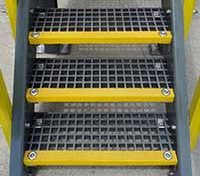
The Role of Perforated Safety Panels in Enhancing Structural Integrity
The Role of Perforated Safety Panels in Enhancing Structural Integrity
Table of Contents
1. Introduction to Perforated Safety Panels
2. Understanding Structural Integrity
3. The Design and Engineering of Perforated Safety Panels
3.1 Materials Used in Fabrication
3.2 Manufacturing Processes
4. Applications of Perforated Safety Panels
4.1 Use in Building Facades
4.2 Implementation
2026-05-15


PRODUCT SEARCH
Quickly find the products you need
Surpass Oneself, Pursue Advanced
PRODUCT SOLUTION
To provide you with industry solutions
Please leave the information you want to consult


Service E-mail
Service TEL
Address
Hengshui HeBei China
Our Main Products
Powerby:300.cn | Label | Privacy Policy