Stair Safety Reinvented: The Role of Ladder Perforated Stair Treads
2026-04-05
Stair Safety Reinvented: The Role of Ladder Perforated Stair Treads
In the realm of construction and architectural design, safety is paramount. As we navigate through various materials that improve safety, ladder perforated stair treads emerge as a revolutionary solution. These treads not only enhance the safety of stairways but also offer aesthetic and functional benefits. In this article, we will delve deep into the role and advantages of ladder perforated stair treads, their applications, and how they can be integrated into various architectural designs.
Understanding Ladder Perforated Stair Treads
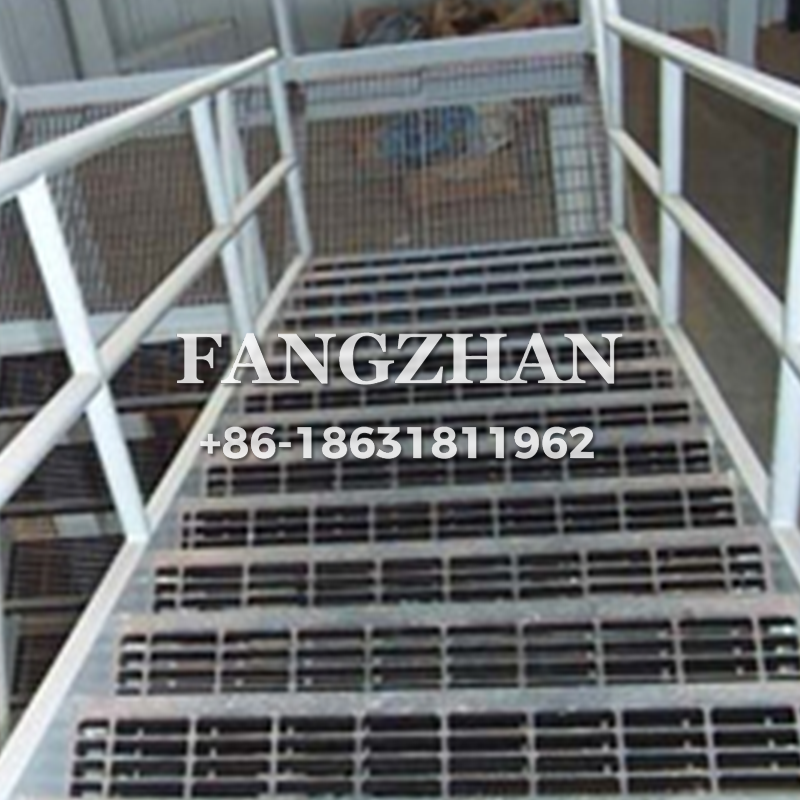
Ladder perforated stair treads are specially designed treads that feature a series of perforations, enhancing both grip and drainage. These treads are engineered to reduce slip hazards, thereby providing a safer passage on stairways. The unique design allows for water and debris to fall through, minimizing the risk of accumulation and maintaining a clean surface.
The Importance of Stair Safety
Stair safety is often overlooked in residential and commercial buildings. According to statistics, falls on stairs account for a significant percentage of injuries. Implementing perforated stair treads can drastically reduce these incidents by providing a safer walking surface. Understanding the importance of these safety measures can drive better design choices in any building project.
Key Features of Ladder Perforated Stair Treads
What sets ladder perforated stair treads apart from traditional treads? Their key features include:
- Enhanced Traction: The perforated design provides superior grip, reducing the likelihood of slips.
- Water Drainage: The holes allow water to drain quickly, preventing pooling that can lead to accidents.
- Durability: Made from robust materials such as steel or aluminum, these treads can withstand heavy foot traffic.
- Customization: Ladder perforated stair treads can be customized in size, shape, and color to suit specific design needs.
Benefits of Using Ladder Perforated Stair Treads
Incorporating ladder perforated stair treads into your stair designs brings numerous benefits.
1. Improved Safety Standards
Safety is the foremost concern in any architectural design. The enhanced grip offered by ladder perforated stair treads significantly reduces the risk of slips and falls. This is particularly important in high-traffic areas or environments prone to moisture, such as swimming pool areas or outdoor settings.
2. Aesthetic Appeal
While functionality is crucial, aesthetics cannot be overlooked. Available in various finishes and colors, ladder perforated stair treads can complement the overall design of a building. Whether in a commercial setting or a private residence, these treads add a modern touch to staircases.
3. Cost-Effective Solution
Investing in ladder perforated stair treads can be a cost-effective decision. Their durability means they require less frequent replacements, leading to lower long-term maintenance costs. Additionally, enhanced safety can reduce liability and insurance costs for property owners.
4. Versatility in Applications
Ladder perforated stair treads are suitable for various applications, including:
- Commercial buildings
- Industrial facilities
- Outdoor staircases
- Public buildings, such as schools and hospitals
Materials Used in Ladder Perforated Stair Treads
The choice of materials plays a crucial role in the performance and longevity of ladder perforated stair treads. Here are some commonly used materials:
1. Steel
Steel is a popular choice for its strength and durability. Galvanized steel provides additional corrosion resistance, making it ideal for outdoor applications.
2. Aluminum
Aluminum is lightweight yet robust, making it an excellent option for areas where weight is a concern. It is also resistant to rust and corrosion.
3. Fiberglass
Fiberglass treads are non-conductive and slip-resistant, making them suitable for specialized environments, such as electrical facilities.
Installation Considerations for Ladder Perforated Stair Treads
Proper installation of ladder perforated stair treads is essential for ensuring safety and functionality. Here are some considerations:
1. Surface Preparation
The surface where the treads will be installed must be properly prepared. This includes ensuring it is clean, level, and free of any debris.
2. Secure Fastening
Using the correct fastening techniques is crucial. Treads should be securely anchored to prevent movement and ensure longevity.
3. Compliance with Regulations
It is essential to comply with local building codes and safety regulations when installing ladder perforated stair treads. This will help avoid legal issues and enhance the safety of the installation.
Maintenance Tips for Ladder Perforated Stair Treads
Maintaining ladder perforated stair treads is relatively straightforward. Regular cleaning and inspections can ensure they remain in optimal condition.
1. Regular Cleaning
Cleaning the treads regularly helps prevent the buildup of dirt and debris. A mild detergent and water are usually sufficient for maintenance.
2. Inspect for Damage
Periodic inspections can help identify any signs of wear or damage. Addressing these issues promptly can prolong the lifespan of the treads.
3. Seasonal Care
In areas with harsh weather conditions, special care may be needed. For instance, applying anti-slip coatings can enhance grip during icy conditions.
The Future of Stair Safety with Ladder Perforated Stair Treads
As we look toward the future of architecture and safety, the role of ladder perforated stair treads is expected to grow. Innovations in materials and design will likely lead to even more effective safety solutions. Furthermore, as awareness of safety measures increases, more builders and architects will likely incorporate these treads into their designs.
Frequently Asked Questions (FAQs)
1. What are ladder perforated stair treads made of?
Ladder perforated stair treads are typically made from materials such as galvanized steel, aluminum, or fiberglass, each offering unique advantages.
2. How do ladder perforated stair treads improve safety?
The perforated design enhances grip and allows for water drainage, significantly reducing the risk of slips and falls.
3. Can ladder perforated stair treads be customized?
Yes, these treads can be customized in size, shape, and color to fit the specific needs of your project.
4. Are ladder perforated stair treads suitable for outdoor use?
Absolutely. Many ladder perforated stair treads are designed for outdoor use, offering durability and slip resistance in various weather conditions.
5. How often should ladder perforated stair treads be maintained?
Regular maintenance, including cleaning and inspections, should be performed to ensure their longevity and safety. Ideally, a routine check should be done every few months, depending on usage and environmental factors.
Conclusion
Ladder perforated stair treads represent a significant advancement in stair safety solutions. By enhancing traction, preventing water accumulation, and offering aesthetic appeal, they fulfill a crucial need in both residential and commercial settings. Understanding their benefits, applications, and maintenance will not only aid in making informed decisions but also promote safer environments for everyone. As we continue to prioritize safety in construction and design, the integration of ladder perforated stair treads will play an essential role in shaping the future of stairway safety.
Key words:
RELATED INFORMATION
Stair Safety Reinvented: The Role of Ladder Perforated Stair Treads
2026-04-05


PRODUCT SEARCH
Quickly find the products you need
Surpass Oneself, Pursue Advanced
PRODUCT SOLUTION
To provide you with industry solutions
Please leave the information you want to consult


Service E-mail
Service TEL
Address
Hengshui HeBei China
Our Main Products
Powerby:300.cn | Label | Privacy Policy