Maximizing Ventilation and Safety with Perforated Safety Panels: The Ultimate Guide
2026-02-04
Maximizing Ventilation and Safety with Perforated Safety Panels: The Ultimate Guide
Table of Contents
- 1. Introduction to Perforated Safety Panels
- 2. What Are Perforated Safety Panels?
- 3. Benefits of Using Perforated Safety Panels
- 4. Applications of Perforated Safety Panels
- 5. Installation Techniques for Perforated Safety Panels
- 6. Regulations and Standards for Safety Panels
- 7. Frequently Asked Questions
- 8. Conclusion
1. Introduction to Perforated Safety Panels
In the construction and architectural industries, the importance of safety and effective ventilation cannot be overstated. **Perforated safety panels** are increasingly becoming a critical component in the design and functionality of various structures. These panels not only provide safety features but also facilitate airflow, making them invaluable in both commercial and industrial settings.
In this guide, we explore the advantages, applications, and installation techniques associated with perforated safety panels, providing insights that will help you optimize your projects.
2. What Are Perforated Safety Panels?
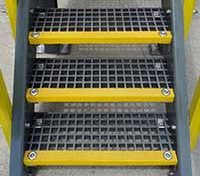
Perforated safety panels are specialized building materials made from various metals, including steel and aluminum, featuring a series of holes or slots strategically placed throughout the surface. These designs allow for increased airflow while maintaining structural integrity and safety.
Typical uses of these panels include fencing, wall coverings, and safety barriers in environments that require both protection and ventilation, such as factories, warehouses, and commercial buildings.
3. Benefits of Using Perforated Safety Panels
3.1 Enhanced Ventilation
One of the primary benefits of perforated safety panels is their ability to significantly enhance ventilation. The holes in these panels allow air to circulate freely, reducing heat buildup and improving overall air quality. In environments where machinery is used, proper ventilation helps dissipate heat and fumes, thereby creating a safer working atmosphere.
3.2 Improved Safety
Safety is a paramount concern in any construction or industrial setting. Perforated safety panels are designed to meet strict safety standards, preventing accidents and minimizing risks. They can act as protective barriers while simultaneously allowing for visibility and airflow, which is particularly important in high-traffic areas.
3.3 Durability and Low Maintenance
Constructed from robust materials, perforated safety panels are built to withstand the rigors of industrial and commercial environments. Their durability translates into lower maintenance costs over time, as these panels resist corrosion and damage from environmental factors. This longevity makes them a smart investment for any project.
4. Applications of Perforated Safety Panels
4.1 Industrial Use
In industrial settings, perforated safety panels are commonly used for machine guarding, partitioning, and safety barriers. They not only protect workers from potential hazards but also allow for visibility and airflow in manufacturing plants.
4.2 Commercial Use
In commercial spaces, these panels find applications in facades, wall coverings, and interior design elements. They can enhance aesthetic appeal while providing necessary safety and ventilation features.
4.3 Architectural Design
Architects and designers often incorporate perforated safety panels into modern designs to achieve unique visual effects. The combination of functionality and design allows for innovative uses that can elevate the overall look of a building while ensuring safety and comfort.
5. Installation Techniques for Perforated Safety Panels
5.1 Pre-Installation Considerations
Before installing perforated safety panels, it is essential to conduct a thorough site assessment. This includes evaluating the intended location, considering load-bearing requirements, and ensuring compliance with local building codes.
Proper planning will facilitate a smoother installation process and enhance the effectiveness of the panels.
5.2 Step-by-Step Installation Guide
1. **Gather Materials**: Ensure that you have all necessary tools and materials, including panels, mounting hardware, and safety equipment.
2. **Prepare the Surface**: Clean and prepare the installation site, making sure it is free from debris and obstacles.
3. **Measure and Mark**: Accurately measure and mark the locations where the panels will be installed to ensure proper alignment.
4. **Install Mounting Hardware**: Secure the mounting hardware according to the manufacturer's specifications, ensuring a strong foundation for the panels.
5. **Attach Panels**: Carefully attach the perforated safety panels, ensuring they are level and securely fastened.
6. **Final Inspection**: Conduct a thorough inspection to confirm that all panels are securely installed and functioning as intended.
6. Regulations and Standards for Safety Panels
Adhering to local and international safety regulations is crucial when installing perforated safety panels. These standards are designed to safeguard workers and ensure structural integrity. Familiarize yourself with regulations such as OSHA (Occupation Safety and Health Administration) guidelines and local building codes specific to your industry and region.
7. Frequently Asked Questions
What materials are used to make perforated safety panels?
Perforated safety panels are typically made from materials like steel and aluminum, chosen for their strength and durability.
How do perforated safety panels improve ventilation?
The holes in the panels allow for air circulation, which can reduce heat buildup and improve air quality in enclosed spaces.
Are perforated safety panels easy to install?
Yes, with proper planning and the right tools, perforated safety panels can be installed relatively easily.
Can perforated safety panels be customized?
Absolutely! Many manufacturers offer customization options regarding size, shape, and hole patterns to meet specific project requirements.
How do I maintain perforated safety panels?
Maintenance typically involves regular inspections for corrosion or damage, as well as cleaning to ensure airflow remains unobstructed.
8. Conclusion
In summary, perforated safety panels are an essential component of modern construction and architectural design. Their ability to enhance ventilation, improve safety, and reduce maintenance costs makes them a top choice for various applications. By understanding their benefits and proper installation techniques, you can ensure that your projects meet both safety and aesthetic standards. Investing in these high-quality panels not only adds value to your structures but also contributes to a safer and more comfortable environment for all occupants.
Key words:
RELATED INFORMATION

Rubber Screen Panel — Durable and Efficient Screening Solutions for Industrial Applications
2026-02-09

Enhancing Safety with Swimming Pool Anti-Slip Panels: A Comprehensive Guide
2026-02-09
Maximizing Ventilation and Safety with Perforated Safety Panels: The Ultimate Guide
2026-02-04
PRODUCT SEARCH
Quickly find the products you need
Surpass Oneself, Pursue Advanced
PRODUCT SOLUTION
To provide you with industry solutions
Please leave the information you want to consult


Service E-mail
Service TEL
Address
Hengshui HeBei China
Our Main Products
Powerby:300.cn | Label | Privacy Policy