Enhancing Safety with Stair Tread Anti-Slip Plates: A Comprehensive Guide
2025-12-26
Enhancing Safety with Stair Tread Anti-Slip Plates: A Comprehensive Guide
When it comes to ensuring safety in buildings, one critical area that often gets overlooked is the staircase. Stairs are a common site for accidents, making it imperative to implement preventive measures. One effective solution is the installation of stair tread anti-slip plates. This guide explores the various aspects of anti-slip plates, from their functionality to installation techniques, ensuring you have all the information needed to enhance safety effectively.
Understanding Stair Tread Anti-Slip Plates: What Are They?
Stair tread anti-slip plates are specialized coverings designed to increase grip on stair surfaces, preventing slips and falls. These plates are typically made from durable materials such as rubber, metal, or composite materials, and they come in various textures and finishes to suit different environments.
The Importance of Stair Safety in Residential and Commercial Spaces
Stair safety is not just a matter of convenience; it can significantly impact the overall safety of a building. According to studies, falls on stairs account for a large percentage of injuries in both homes and workplaces. By utilizing stair tread anti-slip plates, property owners can greatly reduce the risk of accidents, making their spaces safer for occupants and visitors alike.
Benefits of Installing Stair Tread Anti-Slip Plates
The advantages of installing stair tread anti-slip plates are numerous. Below are some key benefits:
- Enhanced Traction: Anti-slip plates provide superior grip, even in wet or oily conditions, significantly reducing the likelihood of slips.
- Durability: Made from robust materials, these plates can withstand heavy foot traffic and adverse weather conditions, ensuring long-lasting safety.
- Cost-Effective Safety Measure: Installing anti-slip plates is a relatively affordable way to enhance safety without the need for complete renovations.
- Variety of Designs: Available in different colors and textures, these plates can complement any interior design while providing safety.
- Easy Maintenance: Most anti-slip plates are easy to clean and maintain, making them a practical choice for busy environments.
Types of Stair Tread Anti-Slip Plates
There are several types of stair tread anti-slip plates available, each designed for specific environments and purposes. Understanding these types is crucial for making an informed decision.
1. Rubber Anti-Slip Plates
Rubber anti-slip plates are flexible and offer excellent grip. They are ideal for indoor and outdoor stairs, particularly in wet conditions. These plates can be easily installed over existing surfaces and often feature self-adhesive backing for quick application.
2. Metal Anti-Slip Plates
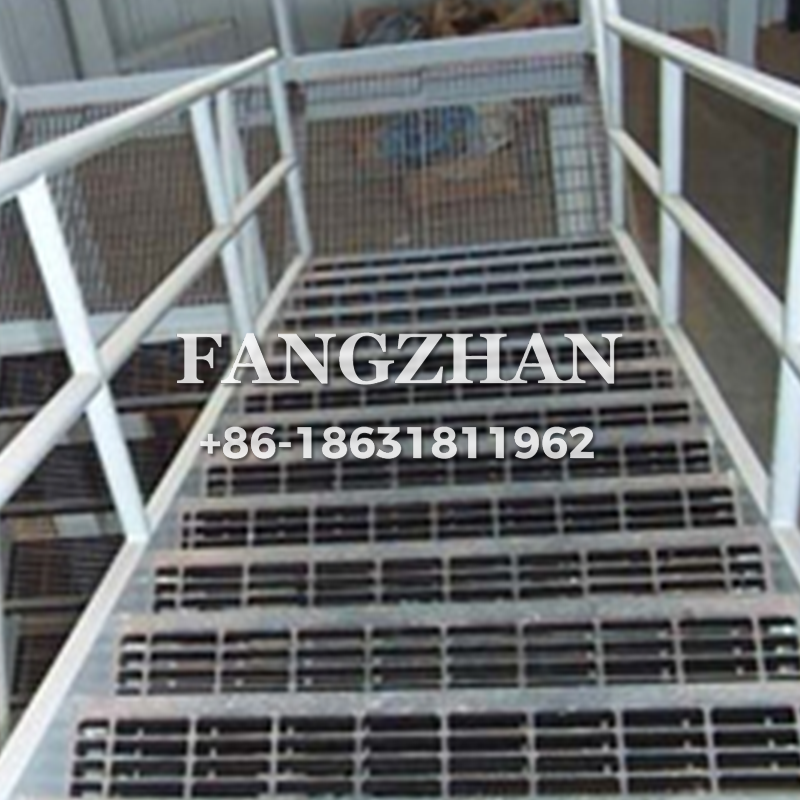
Metal plates, often made of aluminum or steel, provide a rugged solution for high-traffic areas. They are designed to withstand the elements and are commonly used in commercial spaces such as warehouses and factories.
3. Composite Anti-Slip Plates
Composite materials combine the benefits of plastic and rubber, offering both durability and flexibility. These plates are often used in residential settings and come in various styles to match home decor.
4. Textured Vinyl Anti-Slip Plates
Textured vinyl plates are a popular choice for indoor staircases. They provide a soft feel underfoot while ensuring a high level of traction. Their aesthetic appeal makes them suitable for homes and offices alike.
How to Choose the Right Stair Tread Anti-Slip Plates
Selecting the right anti-slip plates involves several considerations. Here are some factors to keep in mind:
1. Assess the Environment
Determine whether the plates will be used indoors or outdoors. Outdoor plates should be weather-resistant, while indoor options can focus more on aesthetics.
2. Evaluate Foot Traffic
High-traffic areas require more durable materials. Metal or composite plates are ideal for such locations due to their strength and longevity.
3. Consider Aesthetic Preferences
Choose a style and color that complement the existing decor. Many manufacturers offer customizable options to fit various design themes.
4. Installation Method
Understand the installation method required for the plates. Some may need professional installation, while others are DIY-friendly.
Installation Process for Stair Tread Anti-Slip Plates
1. Gather Necessary Materials
- Anti-slip plates
- Cleaning supplies (mild detergent, sponge, cloth)
- Measuring tape
- Utility knife (if trimming is required)
- Adhesive (if not pre-applied)
2. Measure and Cut the Plates
Carefully measure the width and depth of each stair tread. Use a utility knife to trim the plates to size if necessary. Ensure that the cuts are clean for a professional finish.
3. Prepare the Surface
Clean the stair treads thoroughly to remove any dirt, grease, or moisture. A clean surface is crucial for proper adhesion.
4. Apply Adhesive (if required)
If the anti-slip plates do not have adhesive backing, apply a suitable adhesive evenly on the back of the plate.
5. Install the Plates
Carefully place the plates on the stair treads, pressing down firmly to secure them in place. Ensure they are aligned properly and leave no gaps.
6. Allow to Cure
If using adhesive, allow the plates to cure for the recommended time before using the stairs. This step is essential for ensuring the plates stay securely in place.
Maintenance Tips for Stair Tread Anti-Slip Plates
1. Regular Cleaning
Keep the plates clean by regularly sweeping or vacuuming debris. For deeper cleans, use a mild detergent and water. Avoid harsh chemicals that can damage the materials.
2. Inspect for Wear and Tear
Periodically check the anti-slip plates for any signs of wear, such as peeling edges or cracks. Early detection allows for timely replacement or repair.
3. Address Slippery Conditions
If the plates become slippery due to dirt or grime buildup, take immediate action to clean them. Keeping the stairs clear and dry also contributes to overall safety.
4. Consider Seasonal Changes
In outdoor settings, remove any leaves, snow, or ice regularly to maintain traction and prevent accidents during inclement weather.
Frequently Asked Questions (FAQs)
1. How do stair tread anti-slip plates work?
Stair tread anti-slip plates work by providing a textured surface that increases friction between shoes and the stairs, significantly reducing the chances of slips and falls.
2. Can I install anti-slip plates on any type of stairs?
Yes, anti-slip plates can be installed on various types of stairs, including wood, concrete, and metal. It’s essential to choose a plate compatible with the stair material.
3. Are anti-slip plates suitable for outdoor use?
Many anti-slip plates are designed for outdoor use and are made from weather-resistant materials. Check the specifications before purchasing to ensure suitability.
4. How long do stair tread anti-slip plates last?
The lifespan of anti-slip plates depends on the material and usage. High-quality plates can last several years with proper maintenance.
5. Can I remove and reinstall anti-slip plates?
Yes, anti-slip plates can typically be removed and reinstalled. However, ensure that the adhesive or mounting method used allows for this flexibility.
Conclusion
Stair tread anti-slip plates are crucial for enhancing safety in both residential and commercial spaces. By understanding their types, benefits, and proper installation techniques, property owners can significantly reduce the risk of accidents and promote a secure environment. Regular maintenance ensures that these safety features remain effective over time. Investing in stair tread anti-slip plates is a proactive measure that prioritizes the safety and well-being of all building occupants.
Key words:
RELATED INFORMATION
Enhancing Safety with Stair Tread Anti-Slip Plates: A Comprehensive Guide
2025-12-26
Enhancing Safety and Durability: The Importance of Stair Tread Anti-Slip Plates
2025-12-21
Why Ladder Perforated Stair Treads Are Essential for Your Next Construction Project
2025-12-16
PRODUCT SEARCH
Quickly find the products you need
Surpass Oneself, Pursue Advanced
PRODUCT SOLUTION
To provide you with industry solutions
Please leave the information you want to consult


Service E-mail
Service TEL
Address
Hengshui HeBei China
Our Main Products
Powerby:300.cn | Label | Privacy Policy