The Essential Role of Stair Tread Anti-Slip Plates in Construction
2026-05-05
The Essential Role of Stair Tread Anti-Slip Plates in Construction
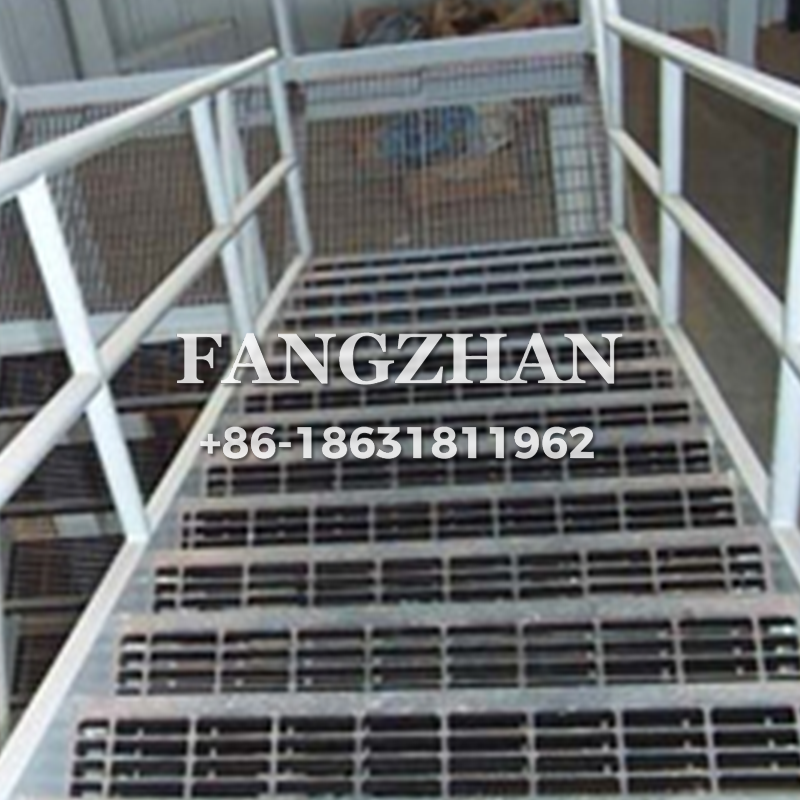
In the construction industry, safety and functionality are paramount. As architects and builders design structures, they must consider the various elements that contribute to both aesthetic appeal and user safety. One often-overlooked aspect of this is the use of stair tread anti-slip plates. These plates serve as crucial safety features that enhance the usability of stairways in residential, commercial, and industrial settings. This article explores the indispensable role of stair tread anti-slip plates in construction, addressing their benefits, installation methods, safety standards, and more.
Table of Contents
- The Benefits of Stair Tread Anti-Slip Plates
- Types of Stair Tread Anti-Slip Plates
- The Installation Process of Anti-Slip Plates
- Compliance with Safety Standards and Regulations
- Design Considerations for Anti-Slip Plates
- Maintenance and Durability of Anti-Slip Plates
- Case Studies: Success Stories in Anti-Slip Plate Implementation
- Frequently Asked Questions
The Benefits of Stair Tread Anti-Slip Plates
Stair tread anti-slip plates offer numerous advantages that contribute to improved safety and functionality in various environments. Here are some key benefits:
1. Enhanced Safety
The primary benefit of stair tread anti-slip plates is their ability to significantly reduce the risk of slips and falls. These plates provide traction, especially in high-traffic areas or environments prone to moisture, such as commercial buildings, outdoor staircases, and industrial sites. By installing anti-slip plates, you create a safer environment for workers, residents, and visitors alike.
2. Increased Durability
Constructed from robust materials, anti-slip plates are designed to withstand heavy foot traffic and harsh weather conditions. Their durability ensures that they maintain their anti-slip properties over time, making them a reliable choice for long-term use in various settings.
3. Aesthetic Appeal
Available in various designs, colors, and finishes, stair tread anti-slip plates can enhance the overall aesthetics of a stairway. They can complement the existing design of a building, providing both functionality and visual appeal.
4. Cost-Effectiveness
Investing in stair tread anti-slip plates can save money in the long run by reducing the likelihood of accidents and injuries. Fewer accidents mean lower insurance premiums and fewer costs related to workers' compensation and legal claims. Additionally, their durability minimizes the need for frequent replacements.
Types of Stair Tread Anti-Slip Plates
Different types of stair tread anti-slip plates are available, each suited for specific applications and environments. Understanding these options can help you choose the right solution for your construction project.
1. Metal Anti-Slip Plates
Metal anti-slip plates, typically made from materials like aluminum or steel, offer exceptional durability and strength. These plates often feature a textured surface that enhances grip, making them ideal for heavy-duty applications.
2. Rubber Anti-Slip Plates
Rubber anti-slip plates provide excellent traction and comfort underfoot. They are particularly effective in reducing noise and vibration, making them suitable for indoor stairways in residential and commercial spaces.
3. Composite Anti-Slip Plates
Composite materials combine the benefits of various elements to create lightweight yet durable anti-slip plates. These plates often incorporate materials like fiberglass and polymer, making them resistant to chemicals, moisture, and UV light.
The Installation Process of Anti-Slip Plates
Proper installation is crucial to ensure that stair tread anti-slip plates function effectively. The following steps outline a typical installation process:
1. Surface Preparation
Before installing anti-slip plates, it is essential to prepare the stair surface. This includes cleaning the area thoroughly, removing any debris, and ensuring that the surface is dry. In some cases, it may be necessary to repair any damages to the stair structure.
2. Measuring and Cutting
Accurate measurements are crucial for ensuring that the anti-slip plates fit properly on the stair treads. Once measurements are taken, the plates may need to be cut to size, depending on the specific dimensions of the stairway.
3. Adhesive Application
For adhesive-backed anti-slip plates, apply the adhesive according to the manufacturer's instructions. Ensure that the adhesive is evenly distributed to prevent any air pockets.
4. Positioning and Securing
Carefully position the anti-slip plates on the stair treads, pressing down firmly to ensure a secure bond. For non-adhesive plates, mechanical fasteners may be required to secure the plates in place.
5. Final Inspection
After installation, conduct a thorough inspection to ensure that the plates are securely attached and that there are no gaps or loose edges that could pose safety risks.
Compliance with Safety Standards and Regulations
Incorporating stair tread anti-slip plates into construction projects requires adherence to various safety standards and regulations. Understanding these compliance requirements is essential for ensuring the safety of occupants and avoiding legal issues.
1. OSHA Regulations
The Occupational Safety and Health Administration (OSHA) outlines specific requirements for stair safety in the workplace. These regulations include guidelines for tread width, riser height, and surface materials that enhance traction.
2. Building Codes
Local building codes may also dictate the design and materials used for stairways. Compliance with these codes is crucial for obtaining necessary permits and ensuring occupant safety.
3. Industry Standards
Various industry standards, such as those set by the American National Standards Institute (ANSI) and the National Fire Protection Association (NFPA), provide guidelines for stair design and safety features, including anti-slip measures.
Design Considerations for Anti-Slip Plates
When selecting and designing stair tread anti-slip plates, several factors should be considered to achieve optimal safety and aesthetics:
1. Color and Visibility
Choosing the right color for anti-slip plates can enhance visibility, especially in low-light areas. Bright colors or contrasting shades can alert users to the stair edges, reducing the risk of accidents.
2. Texture and Material
The texture of the anti-slip plates plays a vital role in their effectiveness. A coarse texture can provide better grip, while smoother surfaces may be easier to clean. Selecting the right material for the intended environment is also crucial for durability and maintenance.
3. Foot Traffic Type
Considering the type of foot traffic the stairway will experience can inform the choice of anti-slip plates. For heavy industrial use, robust metal plates may be preferable, whereas lighter rubber options may suffice in residential settings.
Maintenance and Durability of Anti-Slip Plates
To ensure the longevity and effectiveness of stair tread anti-slip plates, regular maintenance is essential. Here are some key maintenance tips:
1. Routine Inspections
Conduct routine inspections of the anti-slip plates to identify any signs of wear or damage. Addressing these issues promptly can prevent accidents and prolong the lifespan of the plates.
2. Cleaning
Keep anti-slip plates clean to maintain their grip and appearance. Use appropriate cleaning solutions that do not damage the material or remove the anti-slip properties. Regular cleaning can also prevent the buildup of debris and contaminants.
3. Replacement
Over time, even the most durable anti-slip plates may require replacement. Monitoring their condition and replacing them when necessary is vital for ongoing safety.
Case Studies: Success Stories in Anti-Slip Plate Implementation
Real-world examples of successful anti-slip plate implementation can provide valuable insights into their effectiveness and benefits. Here are a few case studies to consider:
1. Commercial Building Renovation
A recent renovation of a commercial office building incorporated stair tread anti-slip plates throughout the facility. The building experienced a significant reduction in slip and fall incidents, resulting in lower insurance costs and improved employee confidence in workplace safety.
2. Outdoor Stadium Installation
In an outdoor stadium setting, the installation of rubber anti-slip plates on all stairways improved safety during events, particularly in inclement weather. The enhanced traction provided by the plates allowed for smoother traffic flow, reducing congestion and potential hazards.
Frequently Asked Questions
1. What materials are commonly used for stair tread anti-slip plates?
Common materials include metal (aluminum or steel), rubber, and composite materials. Each type has its advantages depending on the installation environment and intended use.
2. How do I know if I need anti-slip plates for my stairways?
If your stairways experience regular foot traffic, especially in areas prone to moisture, anti-slip plates are highly recommended to enhance safety.
3. Can I install anti-slip plates myself?
While installation can be done as a DIY project, ensuring proper surface preparation and adherence to safety regulations is crucial. Hiring a professional may guarantee better results.
4. How often should anti-slip plates be inspected and maintained?
Routine inspections should be conducted at least once a month, with cleanings scheduled regularly to maintain their effectiveness.
5. Are anti-slip plates suitable for outdoor use?
Yes, many anti-slip plates are designed specifically for outdoor use and can withstand various weather conditions. However, it's essential to select materials that are resistant to UV light and moisture.
Conclusion
Stair tread anti-slip plates play a vital role in ensuring safety and functionality in construction projects across various environments. By understanding their benefits, installation procedures, and maintenance requirements, architects and builders can enhance the safety of stairways while contributing to the overall aesthetic appeal of their designs. With the right materials and adherence to safety standards, the implementation of anti-slip plates can lead to significant improvements in user safety and satisfaction. Ultimately, investing in stair tread anti-slip plates is not just a safety measure; it is a commitment to creating secure, accessible, and visually appealing spaces for all.
Key words:
RELATED INFORMATION
The Essential Role of Stair Tread Anti-Slip Plates in Construction
2026-05-05


PRODUCT SEARCH
Quickly find the products you need
Surpass Oneself, Pursue Advanced
PRODUCT SOLUTION
To provide you with industry solutions
Please leave the information you want to consult


Service E-mail
Service TEL
Address
Hengshui HeBei China
Our Main Products
Powerby:300.cn | Label | Privacy Policy