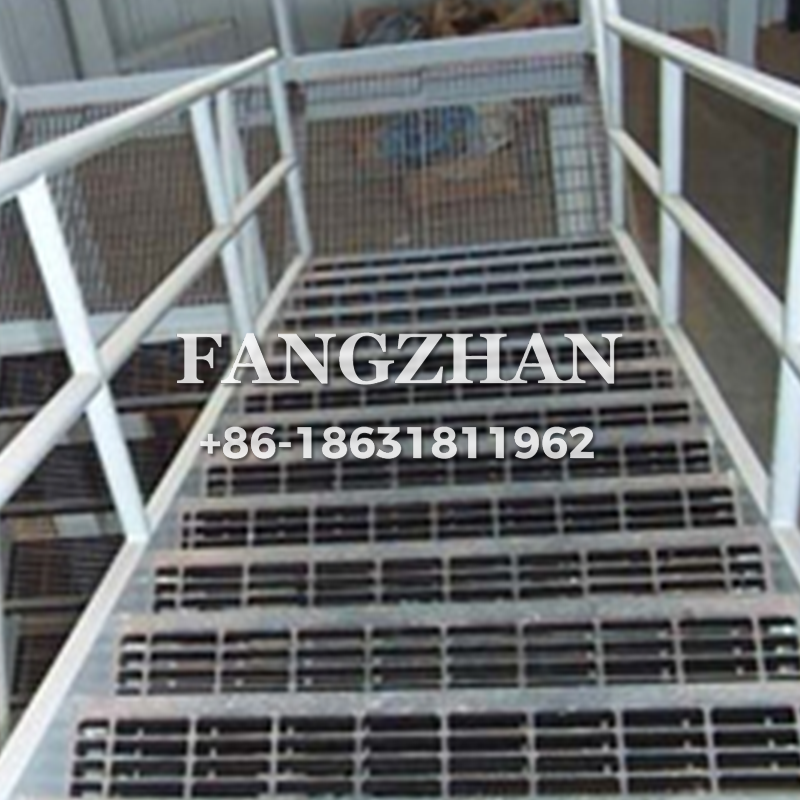
Understanding Perforated Safety Panels: Essential Insights for the Construction Industry
2026-06-09
Perforated safety panels are an innovative solution widely utilized in the construction and architectural sectors, particularly in the realm of building steel materials and components. These panels are manufactured with a series of holes or perforations, allowing for a multitude of applications while ensuring safety and durability. Their versatility makes them suitable for various environments, in
Perforated safety panels are an innovative solution widely utilized in the construction and architectural sectors, particularly in the realm of building steel materials and components. These panels are manufactured with a series of holes or perforations, allowing for a multitude of applications while ensuring safety and durability. Their versatility makes them suitable for various environments, including commercial, industrial, and residential settings.
One of the primary functions of perforated safety panels is to enhance ventilation. The strategically placed holes allow air to flow freely, reducing heat buildup and improving the overall air quality in enclosed spaces. This is particularly beneficial in facilities such as factories and warehouses, where air circulation is crucial for both comfort and safety. Furthermore, the panels can help reduce energy costs by minimizing the need for additional cooling systems.
In addition to ventilation, perforated safety panels also serve an aesthetic purpose. Available in various designs and patterns, they can enhance the visual appeal of a structure while maintaining functionality. Architects and designers often choose these panels for their ability to add texture and depth to façades or interior walls. This aesthetic versatility aligns well with modern design trends that favor both form and function.
Safety is a critical aspect when it comes to construction materials, and perforated safety panels excel in this area as well. The holes in these panels can help prevent the accumulation of dust and debris, reducing hazards in both construction sites and finished buildings. Additionally, their robust construction can withstand significant stress, making them a reliable choice for structural applications.
However, when selecting perforated safety panels, several factors must be considered. The choice of material is paramount, as different metals may offer varying degrees of strength, corrosion resistance, and weight. Steel, aluminum, and stainless steel are common choices, each with distinct properties suited for different applications. Furthermore, the size, shape, and arrangement of the perforations should align with the intended use, ensuring optimal performance.
In summary, perforated safety panels are a valuable addition to the construction and architectural industry, combining safety, functionality, and aesthetic appeal. Their ability to enhance ventilation, improve safety conditions, and contribute to modern design makes them an excellent choice for various building projects. When considering the incorporation of these panels into your designs, it’s crucial to evaluate your specific requirements, including material selection and pattern design, to fully leverage their benefits in your construction endeavors.
One of the primary functions of perforated safety panels is to enhance ventilation. The strategically placed holes allow air to flow freely, reducing heat buildup and improving the overall air quality in enclosed spaces. This is particularly beneficial in facilities such as factories and warehouses, where air circulation is crucial for both comfort and safety. Furthermore, the panels can help reduce energy costs by minimizing the need for additional cooling systems.
In addition to ventilation, perforated safety panels also serve an aesthetic purpose. Available in various designs and patterns, they can enhance the visual appeal of a structure while maintaining functionality. Architects and designers often choose these panels for their ability to add texture and depth to façades or interior walls. This aesthetic versatility aligns well with modern design trends that favor both form and function.
Safety is a critical aspect when it comes to construction materials, and perforated safety panels excel in this area as well. The holes in these panels can help prevent the accumulation of dust and debris, reducing hazards in both construction sites and finished buildings. Additionally, their robust construction can withstand significant stress, making them a reliable choice for structural applications.
However, when selecting perforated safety panels, several factors must be considered. The choice of material is paramount, as different metals may offer varying degrees of strength, corrosion resistance, and weight. Steel, aluminum, and stainless steel are common choices, each with distinct properties suited for different applications. Furthermore, the size, shape, and arrangement of the perforations should align with the intended use, ensuring optimal performance.
In summary, perforated safety panels are a valuable addition to the construction and architectural industry, combining safety, functionality, and aesthetic appeal. Their ability to enhance ventilation, improve safety conditions, and contribute to modern design makes them an excellent choice for various building projects. When considering the incorporation of these panels into your designs, it’s crucial to evaluate your specific requirements, including material selection and pattern design, to fully leverage their benefits in your construction endeavors.
Key words:
RELATED INFORMATION
Designing Safe Spaces: The Importance of Perforated Safety Panels
Table of Contents
1. Introduction to Perforated Safety Panels
2. What Are Perforated Safety Panels?
3. Benefits of Using Perforated Safety Panels
4. Applications in Different Industries
5. Design Considerations for Perforated Panels
6. Innovations in Perforated Panel Materials
7. Installation and Mainten
2026-08-23
The Essential Guide to Hot-Dip Galvanized Anti-Slip Plates in Construction
Hot-dip galvanized anti-slip plates are essential components in the construction and architectural materials sector, particularly when dealing with steel structures and elements. These plates are created through a process where steel is submerged in molten zinc, resulting in a robust coating that offers exceptional corrosion resistance. This characteristic is particularly crucial in environments e
2026-08-18
Choosing the Right Stair Tread Anti-Slip Plates for Your Project: A Comprehensive Guide
Choosing the Right Stair Tread Anti-Slip Plates for Your Project
Table of Contents
1. Introduction to Stair Tread Anti-Slip Plates
2. Why Anti-Slip Plates are Essential for Stair Safety
3. Various Materials Used in Stair Tread Anti-Slip Plates
3.1 Metal Anti-Slip Plates
3.2 Rubber Anti-Slip Plates
3.3 Vinyl Anti-Slip Plates
4.
2026-08-13